

Ancient Buddhist Site of Sarnath Inscribed on UNESCO World Heritage List
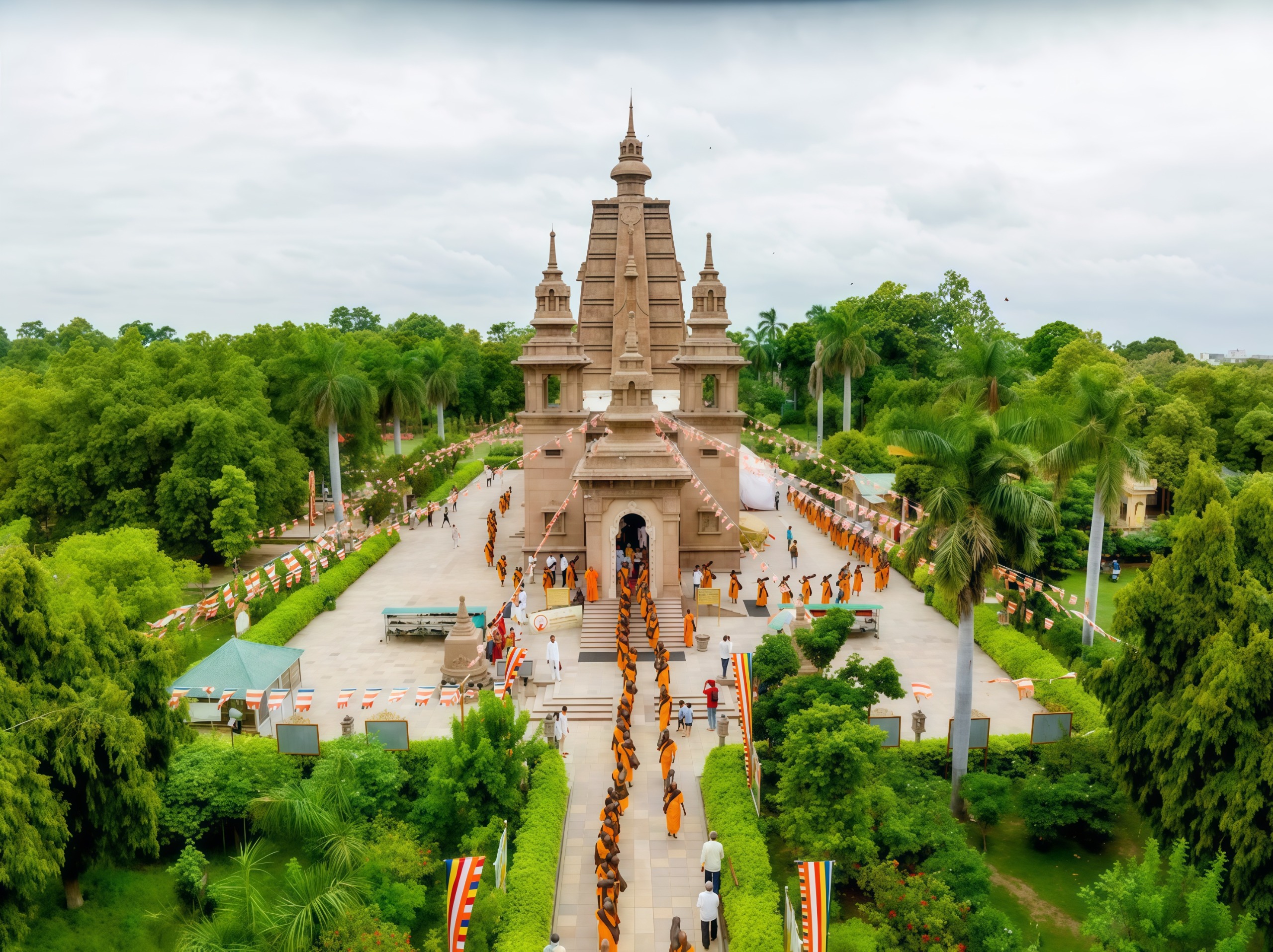
Sarnath Temple, Varanasi, Uttar Pradesh, India
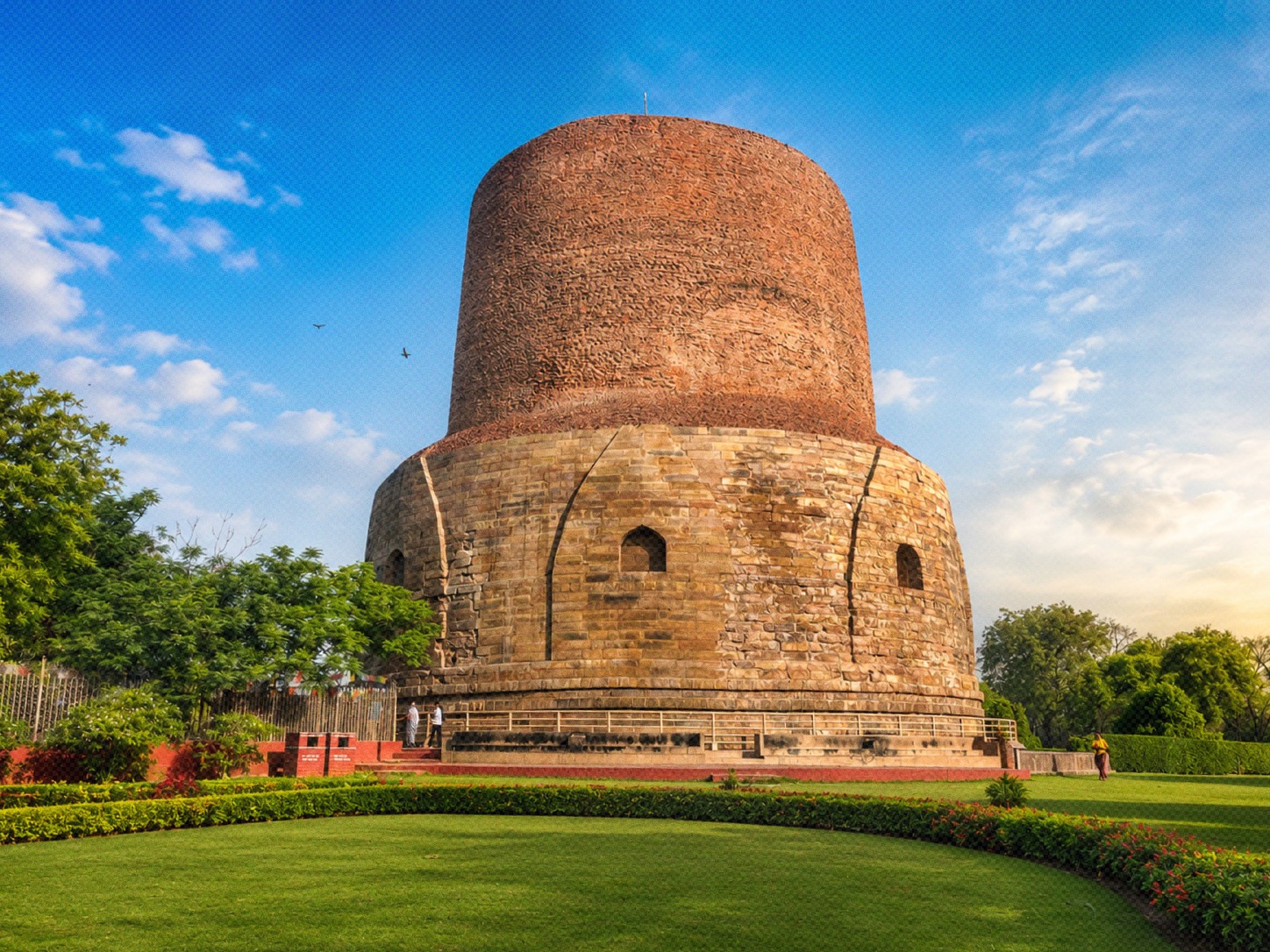
Dhamek Stupa - Sarnath, Uttar Pradesh
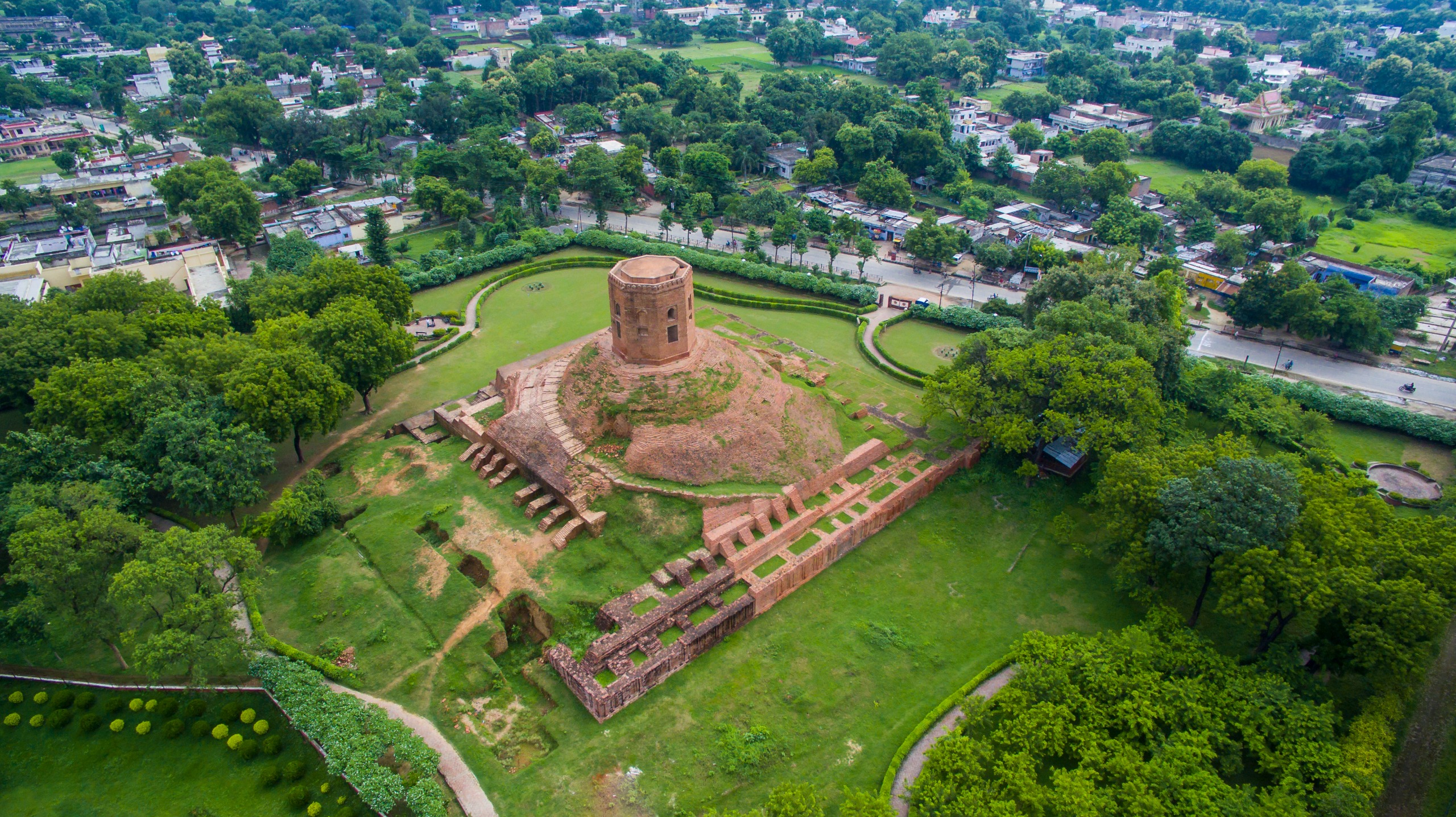
Bird eye view Chaukhandi Stupa Sarnath
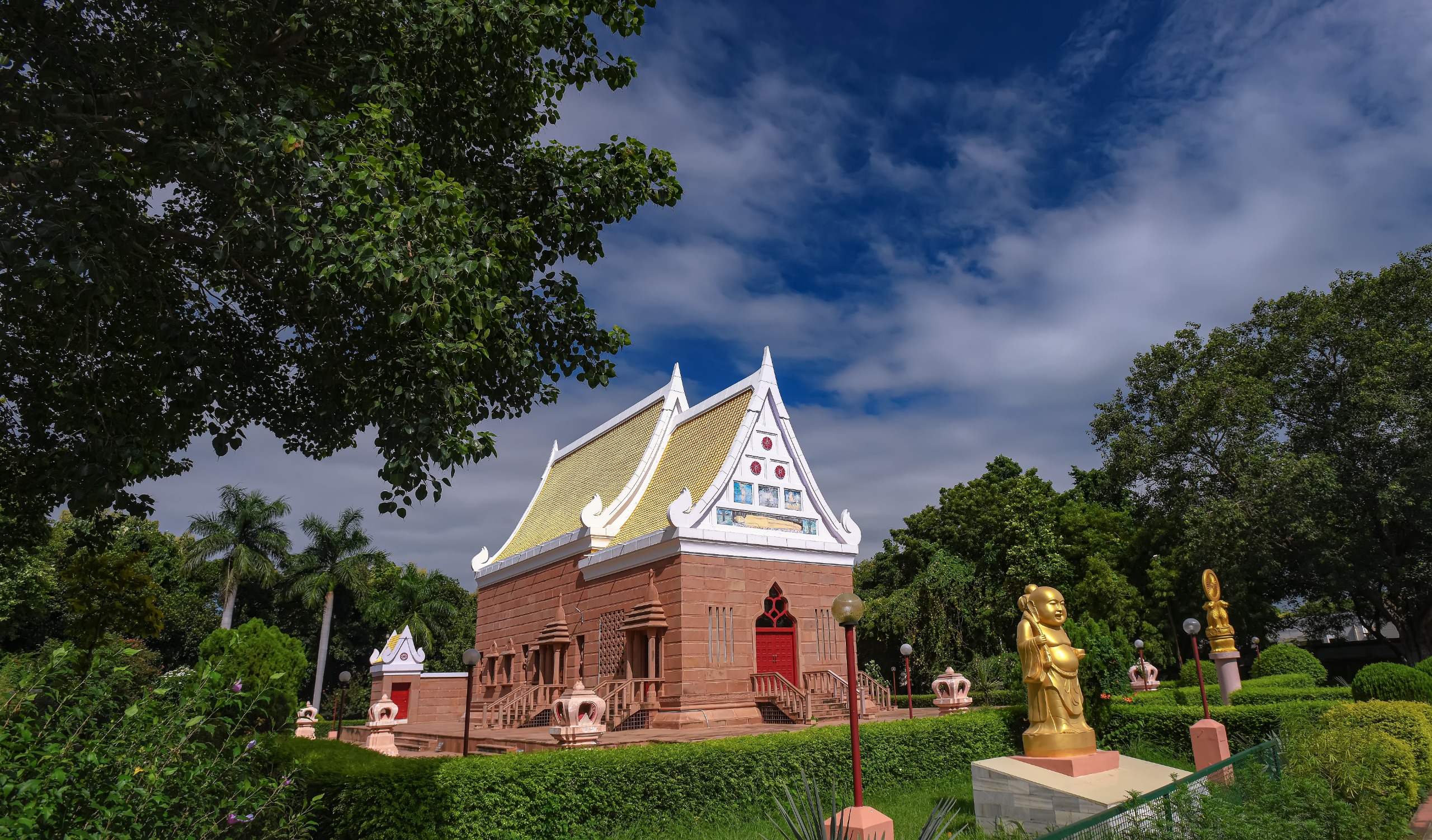
Wat Thai Temple - Sarnath, UP
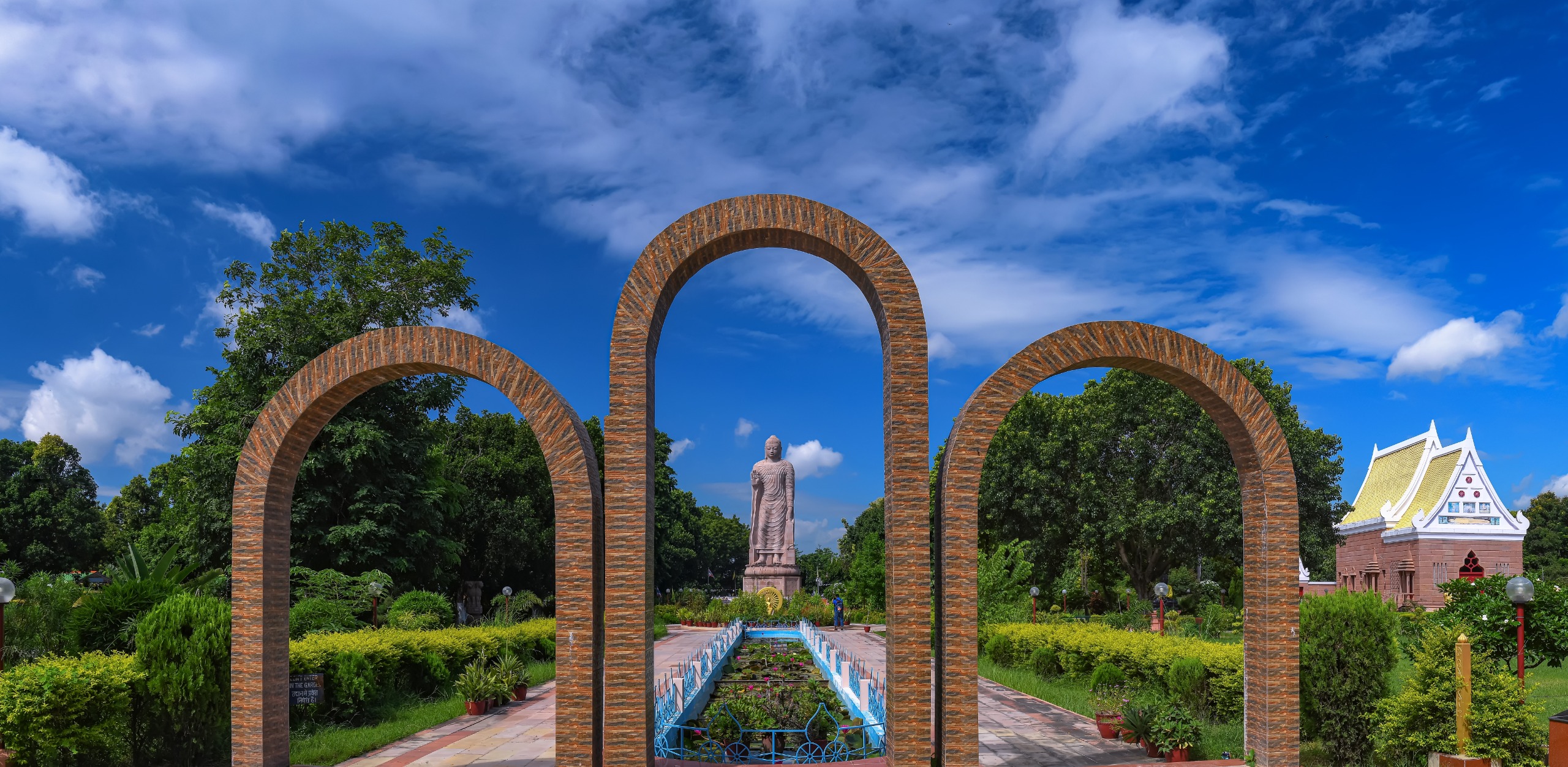
The Giant Buddha sculpture next to Wat Thai Sarnath Temple in Sarnath
- India's 45th World Heritage Site receives global recognition, reaffirming Uttar Pradesh as the spiritual heartland of Buddhism
LUCKNOW , UTTAR PRADESH, INDIA, July 27, 2026 /EINPresswire.com/ -- In a landmark achievement for India's cultural heritage and the State of Uttar Pradesh, the Ancient Buddhist Site of Sarnath has been inscribed on the UNESCO World Heritage List during the 48th Session of the World Heritage Committee held in Busan, Republic of Korea. The inscription marks Sarnath as India's 45th World Heritage Site, a recognition that celebrates one of the world's most sacred Buddhist pilgrimage destinations and reinforces Uttar Pradesh's position as the cradle of Buddhist civilisation. The announcement follows India's nomination for the 2025-26 cycle and the successful completion of a rigorous eighteen-month evaluation process involving technical assessments, expert consultations and an on-site mission by the International Council on Monuments and Sites (ICOMOS).Situated just a few kilometres from Varanasi, Sarnath occupies an unparalleled place in world history. It is here that Lord Buddha delivered his first sermon, known as the Dhammacakkappavattana Sutta, after attaining enlightenment at Bodh Gaya, thereby setting in motion the Wheel of Dharma and establishing the Buddhist Sangha. For more than two millennia, Sarnath has remained a centre of learning, spirituality, pilgrimage and artistic excellence, inspiring millions across Asia and the world with the timeless ideals of peace, compassion and wisdom.
Shri Jaiveer Singh, Hon'ble Minister for Tourism and Culture, Government of Uttar Pradesh said, "The inscription of the Ancient Buddhist Site of Sarnath on the UNESCO World Heritage List is a moment of immense pride for Uttar Pradesh and the entire nation. Sarnath is not merely an archaeological site, it is a living symbol of humanity's shared values of peace, compassion, tolerance and enlightenment. This prestigious recognition reflects the rich cultural and spiritual legacy of our state and acknowledges the dedicated efforts made towards preserving our invaluable heritage. Under the visionary leadership of Hon'ble Chief Minister Shri Yogi Adityanath Ji, Uttar Pradesh has consistently worked towards conserving, developing and promoting its cultural treasures while enhancing world-class visitor facilities. We warmly welcome pilgrims, scholars and travellers from across the globe to experience the timeless legacy of Sarnath and discover the profound spiritual heritage of Uttar Pradesh."
The UNESCO inscription recognises the site's Outstanding Universal Value through its remarkable collection of archaeological remains spanning from the 3rd century BCE to the 12th century CE. These include the iconic Dhamek Stupa, the remains of ancient monasteries and temples, the Ashokan pillar, the Chaukhandi Stupa and numerous sculptural masterpieces that collectively narrate the evolution of Buddhist architecture, art and philosophy over nearly fifteen centuries.
A Sacred Landscape that Shaped Buddhist Civilisation
Sarnath's significance extends far beyond its archaeological remains. Revered as one of Buddhism's four principal pilgrimage destinations, alongside Lumbini, Bodh Gaya and Kushinagar, the site represents the birthplace of the Buddha's teachings. It was here that the Buddha expounded the Four Noble Truths and the Noble Eightfold Path, principles that continue to guide millions of followers worldwide.
The site flourished under the patronage of Emperor Ashoka in the 3rd century BCE, who erected magnificent monuments to commemorate the Buddha's teachings. Among the most celebrated discoveries at Sarnath is the Lion Capital of Ashoka, now the National Emblem of India, symbolising justice, courage and peace. Equally significant is the celebrated Dharmachakrapravartana Buddha image from the Gupta period, regarded as one of the finest masterpieces of classical Indian sculpture. These priceless artefacts are preserved in the Archaeological Museum, Sarnath, India's earliest site museum established in 1904, reflecting over a century of systematic conservation and scholarship.
Over centuries, Sarnath emerged as an eminent centre of Buddhist education, attracting monks, scholars and pilgrims from across Asia. The site became a vibrant hub of intellectual exchange where philosophy, literature, sculpture and architecture flourished, leaving an enduring influence on Buddhist traditions from Sri Lanka and Southeast Asia to East Asia.
Preserving a Living Heritage for Future Generations
The UNESCO inscription is also an acknowledgement of India's sustained commitment towards heritage conservation and scientific preservation. The Archaeological Survey of India, the nodal agency for World Heritage matters in the country, has played a pivotal role in safeguarding the site's authenticity and integrity through archaeological research, conservation programmes and visitor management initiatives. The inscription process itself involved extensive documentation, technical evaluations and international scrutiny before receiving approval from the World Heritage Committee.
The recognition further commits India to preserving Sarnath's Outstanding Universal Value through sustainable tourism practices, protection of its buffer zones and careful management of future development. These measures will ensure that the site's historical fabric, archaeological remains and spiritual ambience remain intact for generations to come while providing an enriching experience for visitors from around the world.
For Uttar Pradesh, the recognition complements ongoing efforts to strengthen the state's Buddhist tourism infrastructure under the Buddhist Circuit, connecting globally revered destinations including Sarnath, Kushinagar, Shravasti, Sankisa and Kaushambi. Enhanced connectivity, improved visitor amenities, heritage interpretation, digital initiatives and international promotion have significantly elevated the state's position as a preferred destination for spiritual and cultural tourism.
The UNESCO inscription also reinforces India's cultural diplomacy with Buddhist-majority nations including Japan, Thailand, Sri Lanka, Myanmar, Cambodia, Vietnam, Mongolia and the Republic of Korea, strengthening centuries-old civilisational ties through shared heritage and spiritual traditions.
A Timeless Destination Inspiring the World
With this prestigious inscription, Sarnath joins an illustrious family of UNESCO World Heritage Sites that represent humanity's most exceptional cultural treasures. India now has 45 World Heritage Sites, ranking among the countries with the highest number of such globally recognised heritage properties, further underscoring the nation's extraordinary civilisational legacy.
More than an archaeological destination, Sarnath remains a living cultural landscape where history, spirituality, architecture and art converge in remarkable harmony. Its serene monasteries, majestic stupas, beautifully carved sculptures and sacred ambience continue to inspire pilgrims, historians, artists and travellers seeking meaningful experiences rooted in humanity's shared heritage.
The inscription of the Ancient Buddhist Site of Sarnath on the UNESCO World Heritage List marks not only a proud milestone for Uttar Pradesh and India but also a celebration of universal values that transcend borders. As the sacred site where the Buddha's message of compassion first resonated across the world, Sarnath continues to illuminate the path of peace, wisdom and harmony while inviting the global community to experience one of civilisation's most enduring spiritual landscapes.
RD
Directorate of Tourism, Uttar Pradesh
email us here
Sarnath - The Land of Lord Buddha
Legal Disclaimer:
EIN Presswire provides this news content "as is" without warranty of any kind. We do not accept any responsibility or liability for the accuracy, content, images, videos, licenses, completeness, legality, or reliability of the information contained in this article. If you have any complaints or copyright issues related to this article, kindly contact the author above.
