

SNU Eye Clinic Shares What Overseas Patients Should Know Before Choosing SMILE or SMILE Pro
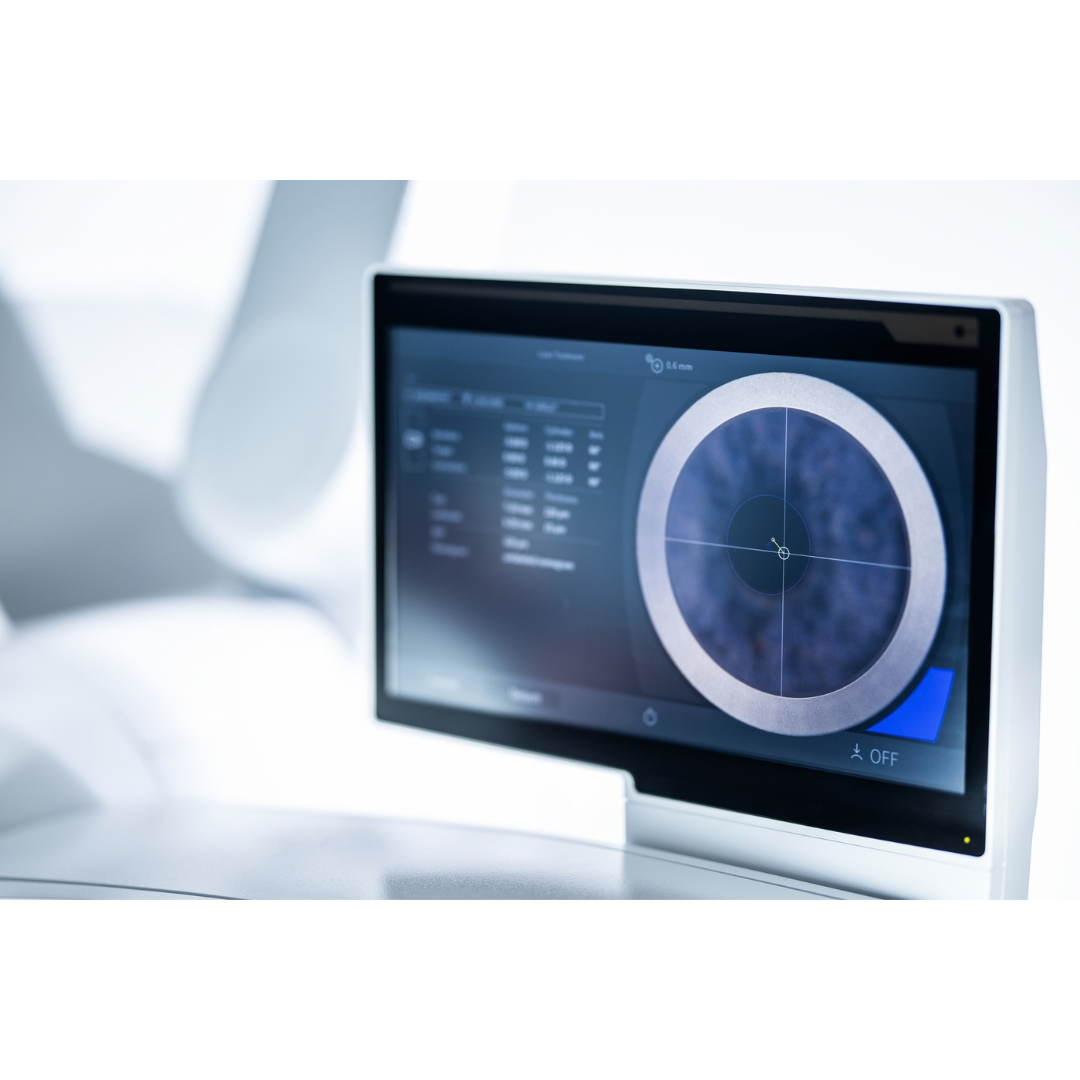
ZEISS VisuMax 800 Laser for SMILE Pro Vision Correction
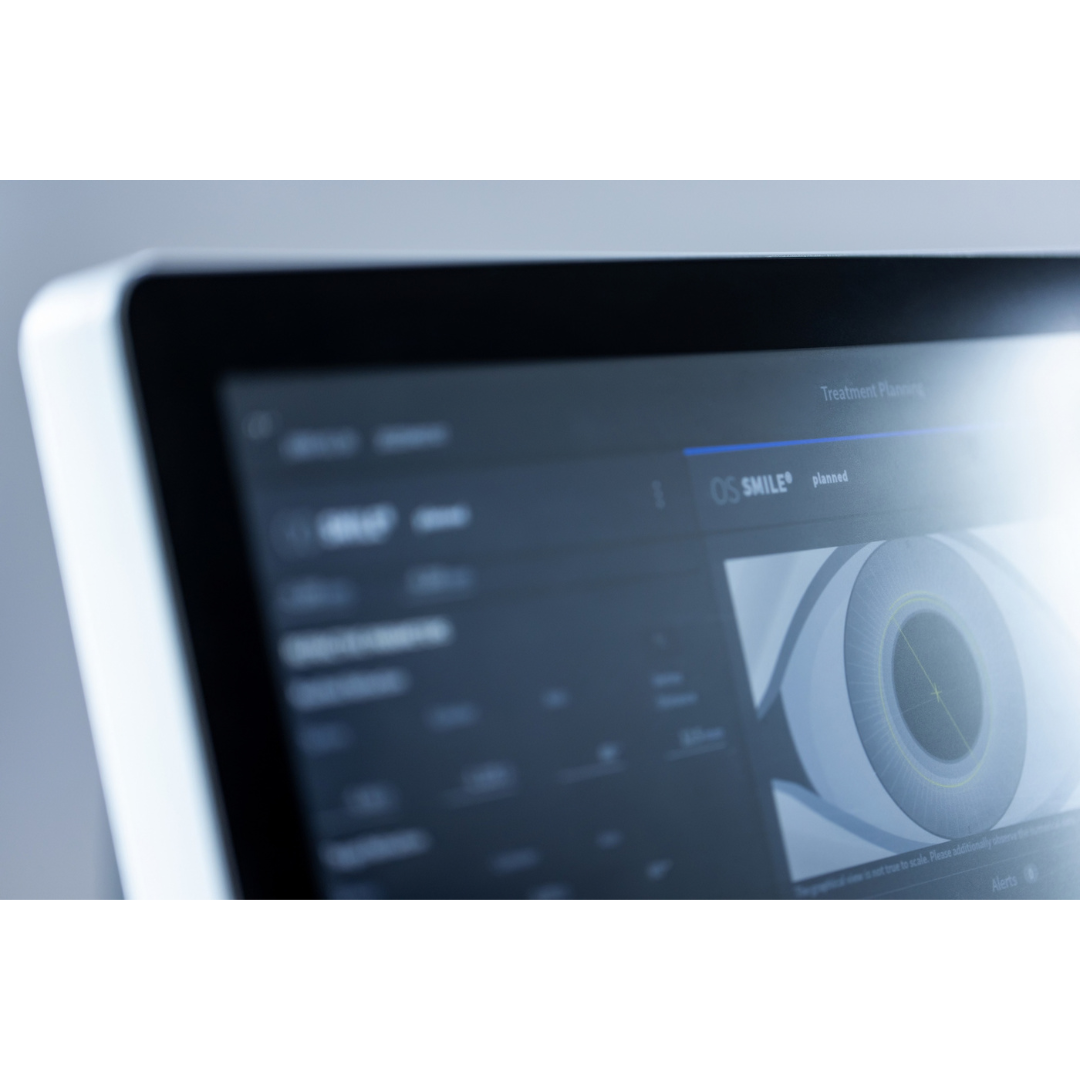
SMILE Pro Treatment Planning with the ZEISS VisuMax 800
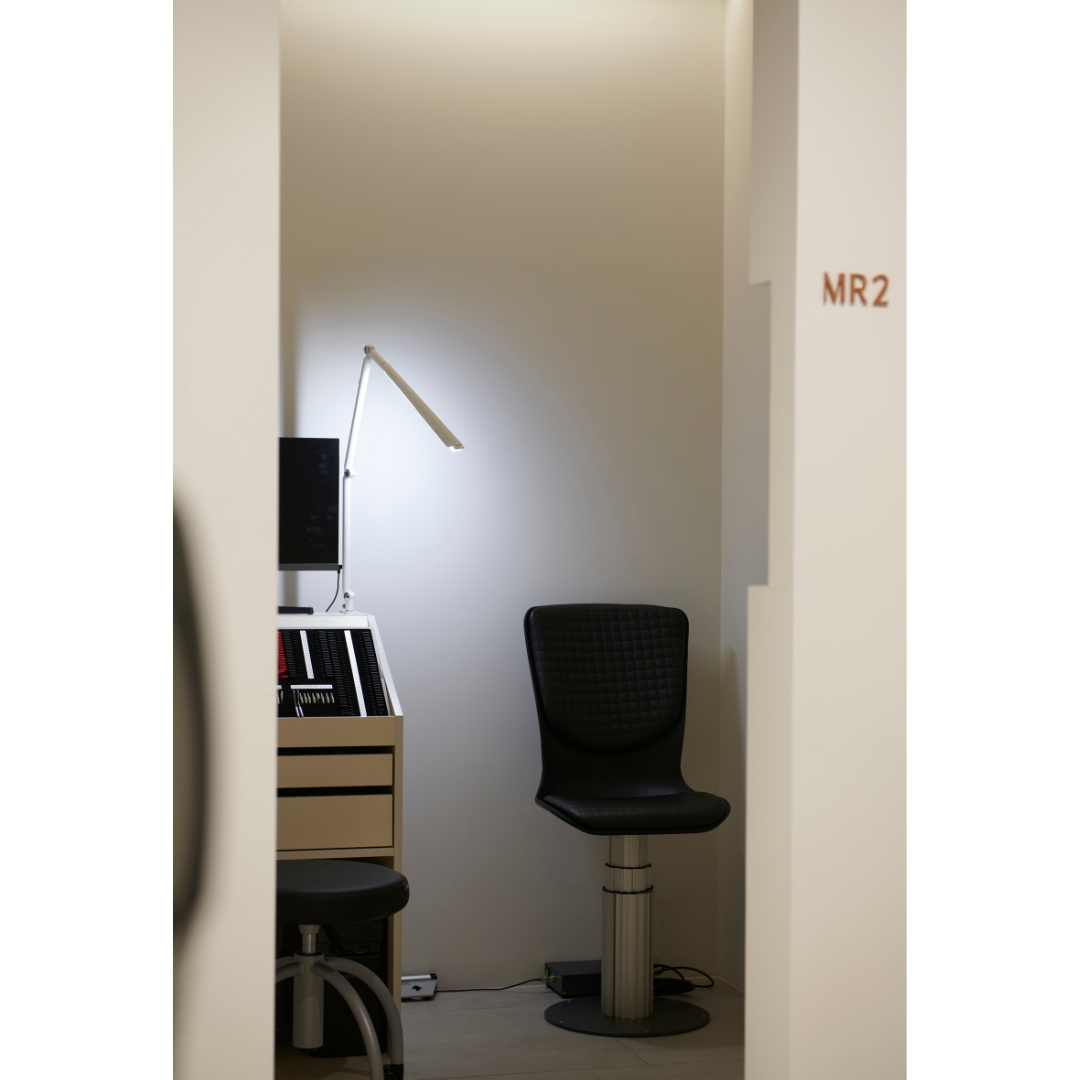
Vision Testing Room for Comprehensive Eye Examinations
SNU Eye Clinic explains key considerations for overseas patients choosing between SMILE and SMILE Pro, from detailed eye examinations to postoperative care.
However, rather than comparing vision correction procedures based solely on the surgical method or cost, it is important to first undergo a detailed eye examination to determine which procedure is appropriate for each patient’s individual eye condition.
SMILE uses a femtosecond laser to create a small lenticule inside the cornea, which is then removed through an approximately 2 mm incision to correct myopia and astigmatism. Unlike conventional LASIK, SMILE does not create a corneal flap, reducing the extent of the incision on the corneal surface and allowing for relatively rapid recovery after surgery.
More recently, SMILE Pro, an advancement of conventional SMILE, has also become available. SMILE Pro uses ZEISS’s VisuMax 800 femtosecond laser, which features a shorter laser application time compared with the previous VisuMax 500. The reduced laser time shortens the period during which patients need to maintain fixation during the procedure and supports a more streamlined surgical process.
The VisuMax 800 also incorporates features designed to assist with more precise astigmatism axis alignment and surgical centration. OcuLign helps account for ocular cyclotorsion that may occur due to changes in the patient’s position between examination and surgery, while CentraLign supports centration based on the patient’s visual axis. These features can be particularly useful when planning surgery for patients with astigmatism or when precise centration is required.
Whether SMILE or SMILE Pro is more appropriate cannot be determined simply by considering whether the latest equipment is being used. A comprehensive examination should assess the degree of myopia and astigmatism, corneal thickness and shape, corneal asymmetry, pupil size, dry eye condition, retinal status, and other factors before determining surgical eligibility and the appropriate procedure.
For overseas patients, effective communication with the medical team is also an important consideration. Since surgical eligibility and the appropriate procedure are determined based on detailed examination results, patients need to fully understand their eye condition, the expected range of correction, the characteristics of each surgical method, and precautions before and after surgery.
SNU Eye Clinic in Sinsa, Seoul, operates an interpretation support system in multiple languages, including English, Chinese, Mongolian, and Russian, to help overseas patients receive care without language barriers. From detailed examinations and medical consultations to preoperative and postoperative guidance, the clinic supports communication throughout the process so that patients can fully understand their examination results, eye condition, and surgical options before establishing a treatment plan.
Dr. Chung Eui Sang, Chief Director of SNU Eye Clinic in Sinsa, Seoul, said, “When considering SMILE or SMILE Pro, the priority should not be choosing based solely on a specific surgical method or equipment. It is important to accurately assess each patient’s individual eye condition, including the corneal condition and degree of myopia and astigmatism, through a detailed examination.”
He added, “For overseas patients in particular, it is important to consider the limited duration of their stay in Korea while allowing sufficient time for examination and consultation, confirming surgical eligibility and the postoperative care plan before scheduling the procedure.”
Dr. Chung Eui Sang, Chief Director of SNU Eye Clinic, is recognized as Korea’s first SMILE surgeon and has participated in clinical research related to ZEISS SMILE Pro. He has continued clinical and academic activities in the field of vision correction surgery. He holds bachelor’s, master’s, and doctoral degrees from Seoul National University College of Medicine and completed his training at Seoul National University Hospital. He subsequently served as a professor at Samsung Seoul Hospital and as a research professor at the Schepens Eye Research Institute of Harvard Medical School. He was also selected for The Ophthalmologist’s 2026 Power List Top 50.
Samantha
SNU Eye Clinic
+82 10-5495-9632
snueye@snuseoul.com
Visit us on social media:
Instagram
Facebook
YouTube
TikTok
Other
Legal Disclaimer:
EIN Presswire provides this news content "as is" without warranty of any kind. We do not accept any responsibility or liability for the accuracy, content, images, videos, licenses, completeness, legality, or reliability of the information contained in this article. If you have any complaints or copyright issues related to this article, kindly contact the author above.
